
From Access to Opportunity: Nina’s Story, Part 2
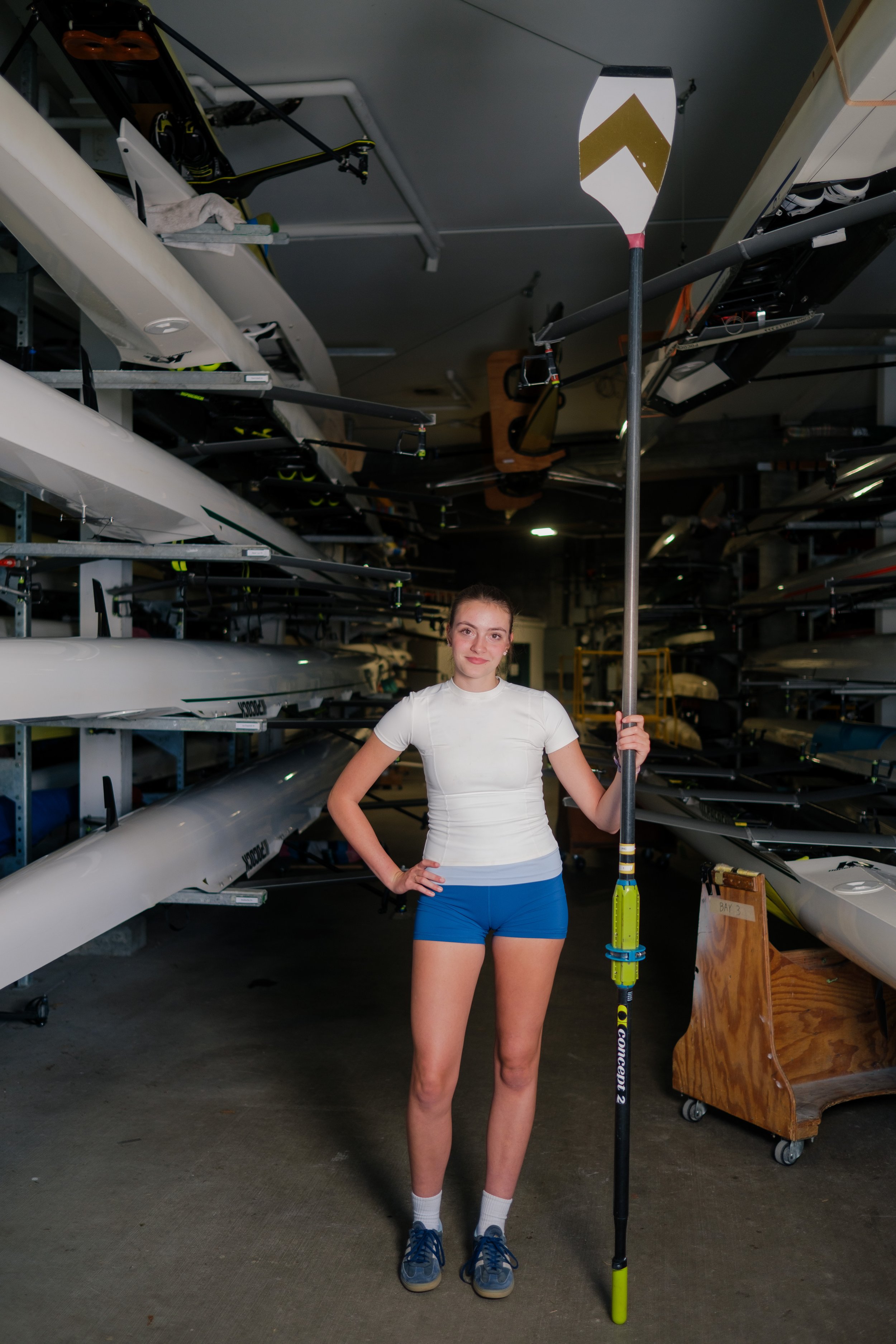
Five years ago, Nina Hurt arrived at Camp Lucy with a simple thought: she liked boats.
She was 11, had never rowed before, and had no idea that those first days on the water would eventually lead her here.
This summer, Nina received a scholarship to attend the University of Washington Rowing Camp. While traveling on Orcas Island, Nina saw an email from Patti Buck, our Community Programs Manager, inviting her to the camp.
Her reaction was immediate.
“I was like, ‘You know who I am? That’s insane.’”
Then came the excitement: “Oh my gosh, I would love to. Totally. 100%. Take all of my schedule, please.”
But as camp approached, excitement gave way to nerves.
Over the past five years, Nina had grown from a Camp Lucy beginner into a committed Pocock Youth Rowing athlete. She had learned how to train, compete, struggle, adjust, and keep showing up. Still, the idea of walking into a collegiate rowing environment felt different.
She imagined being surrounded by elite athletes who were faster, stronger, and more experienced.
Then she arrived.
“Oh, girls my age,” she remembers realizing.
The athletes around her had come from Hawaii, California, Texas, and across Washington. They were serious about rowing, but they were also teenagers thinking about college, wondering what came next, and carrying many of the same uncertainties Nina was.
“They had the same mindset as me, and it was very comforting to see that I was not alone,” Nina says. “I was not alone in being afraid of the unknown and getting older.”
That realization may have been as important as anything she learned in the boat.
Over the course of the week, Nina trained on the water, ate lunch at Conibear Shellhouse, returned for afternoon rowing sessions and core work, and stayed in the Olympic House alongside other campers. She jokes that staying where UW athletes live made her feel “super official.”
More importantly, she began to picture herself in a place like this someday.
Nina is now 16 and entering her junior year. She wants to row in college and hopes to stay in Washington. She has begun visiting schools, including UW, Seattle University, and Gonzaga, as she thinks about what she wants her next chapter to look like.
It is a future that would have been difficult for 11-year-old Nina to imagine.
Back then, Camp Lucy gave her a way into a sport she knew almost nothing about. Coach Magda made her feel welcome and comfortable. Friends from school made trying something unfamiliar a little less intimidating. And rowing gradually became something much bigger.
“The older I get, the more I appreciate rowing,” Nina says.
In fact, she says she started loving the sport more when it became harder.
“It felt more serious, and it felt like I was part of something bigger than myself.”
That sense of belonging has expanded far beyond one team or boathouse.
Some of the girls Nina met at Camp Lucy five years ago now row for other clubs and attend other schools. She still sees them at races and regional competitions. Rowing has given her another community alongside her school friends - a network of people scattered across teams and cities who understand the same early mornings, hard practices, nerves, victories, and disappointments.
“The rowing community is so small,” she says. “I have so many friends everywhere.”
And the lessons have followed her beyond rowing.
Nina credits Camp Lucy with helping her develop a work ethic she now brings to school and other parts of her life. What began as learning how to move a boat became practice in facing something unfamiliar, working through difficulty, and trusting that she could grow into challenges that once felt beyond her.
That is what makes Nina’s story about more than a scholarship to a rowing camp.
It is about what can happen when access is followed by opportunity.
A free summer camp gave an 11-year-old girl the chance to try rowing.
A welcoming coach helped her feel like she belonged.
A youth team gave her somewhere to keep growing.
Five years of practices, races, friendships, setbacks, and small improvements gave her confidence. And this summer, another opportunity allowed Nina to look at collegiate rowing - not as something meant for somebody else, but as a future she could imagine for herself.
She arrived at UW nervous about whether she would belong. She left knowing she wasn’t alone, and more certain about where she wants to go next.
“I have definitely learned things that I can carry into my next season of rowing,” Nina says, “and I will be forever grateful for that.”
Five years ago, Nina just really liked boats.
Now, she can see how far they might take her.