
2026 Summer Progress Report
Summer across the Pacific Northwest brought full boathouses, busy race courses, new rowers taking their first strokes, and another season of seeing what is possible when communities work together to make rowing more accessible.
Across the region, we're seeing that access is only the beginning. What happens after that first opportunity - whether a young person can join a team, keep rowing, and imagine what might come next - matters just as much.
Racing Across the Region
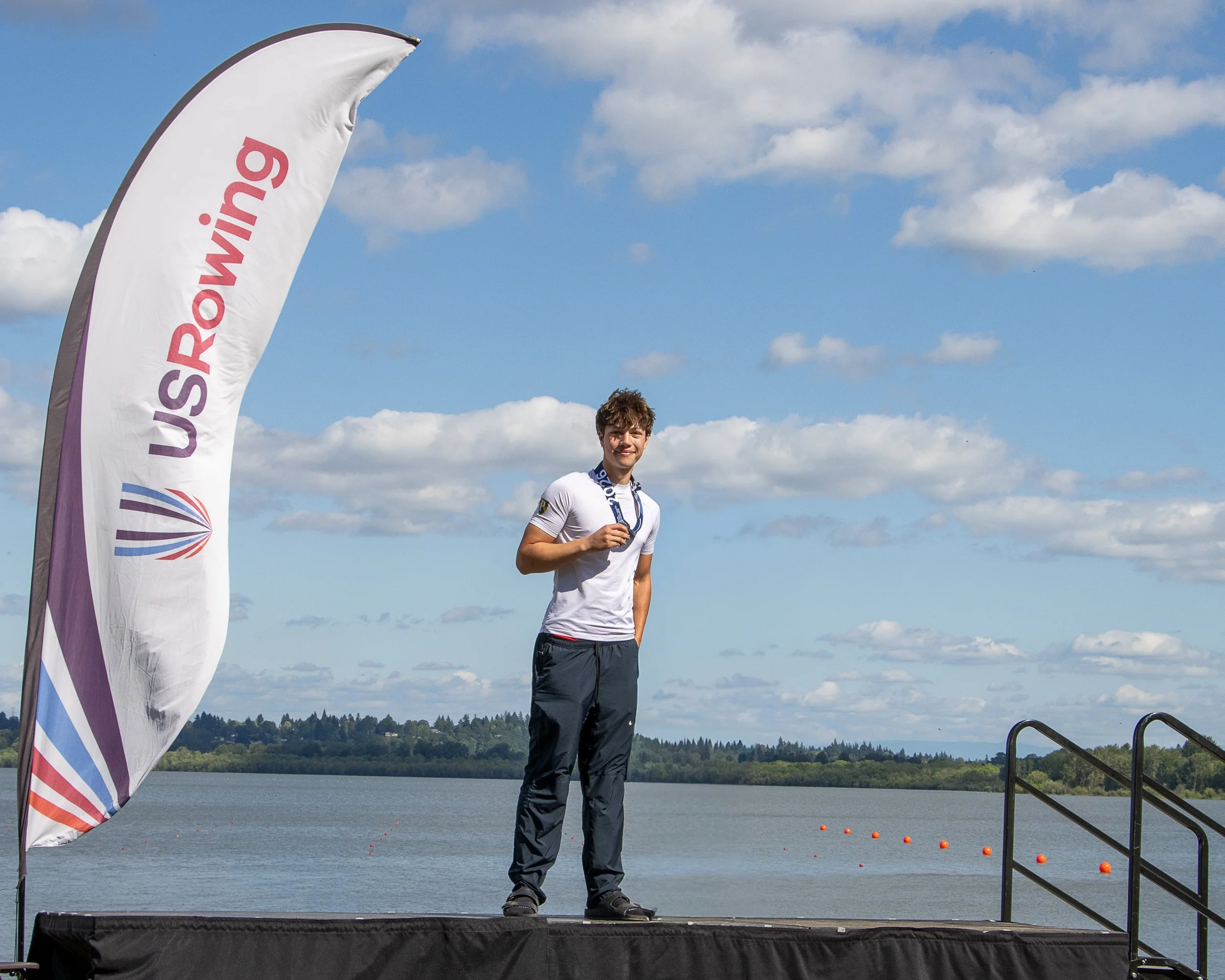
• At the USRowing Northwest Youth Championships in Vancouver, WA, 56 Regional Financial Aid athletes competed alongside their teammates - more than twice the number we cheered on at the event last year.
• The season continued all the way to the national stage, with 10 Regional Financial Aid athletes competing at the USRowing Youth National Championships in Sarasota, Florida.
• Pocock Youth Rowing also sent seven crews to Youth Nationals, with every crew finishing among the top 14 nationally and one bringing home a silver medal.
• Altogether, 154 young athletes across 13 boathouses have received Regional Financial Aid so far in 2026. More than 80% are receiving at least half of their rowing costs in assistance, helping ensure that qualifying for a team - or a championship - doesn't come down to a family's finances.
Opening Doors to Rowing
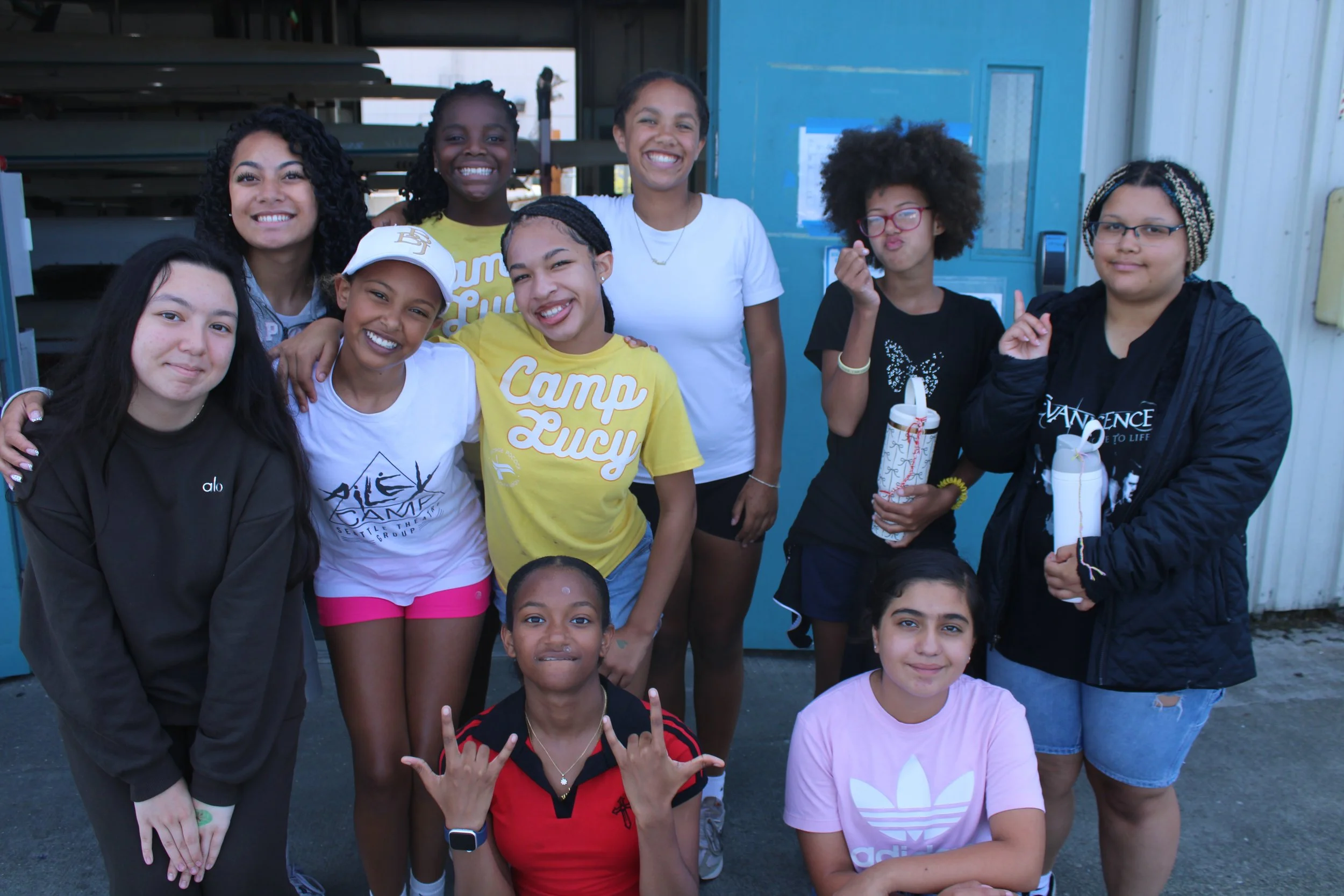
• Camp Lucy welcomed 54 young people at three partner boathouses this summer: Mount Baker Rowing & Sailing Center, Renton Rowing Center, and Pocock Rowing Center. Read the full Camp Lucy recap.
• Camp Lucy is intentionally designed to reach young people who have historically faced barriers to opportunities like rowing. This summer, 83% of campers identified as BIPOC and/or faced financial barriers to participation.
• Just as important as introducing new athletes to rowing is creating a path for them to stay. Across Camp Lucy, ERG ED®, Regional Financial Aid, and our boathouse partnerships, we continue working with regional partners to strengthen the connections between first exposure, joining a team, and sustained participation.
Partnerships & Community
• In Bellingham, ERG ED® is creating a clear pathway from the classroom to the boathouse. This past year, Whatcom Rowing Association brought ERG ED® to six schools, with four middle school students going on to Learn to Row. Today, roughly 20% of the club's high school varsity athletes first discovered rowing through ERG ED® - showing how a first introduction during P.E. can grow into years of participation on the water. Read the Bellingham story.
• Sometimes the impact of rowing is best told in a young person's own words. Eve, a 13-year-old rower with North Cascades Crew, reflected on finding her place in the sport - from arriving quiet and shy to discovering teammates, coaches, and a community she loves. Her advice to another young person considering rowing? Be brave enough to try something new and meet new people. Read Eve's reflection.
• Across the Northwest, the GPRF continues to connect with emerging and established rowing organizations - from supporting grassroots programs as they grow to sharing resources, ideas, and lessons learned across the regional rowing community.
• Looking ahead, our Board is engaging in conversations with program stakeholders to better understand their experiences, perspectives, and priorities - and ensure their voices help shape the future of our work.
Be Part of What Comes Next
There is tremendous energy around rowing in the Pacific Northwest. Our challenge is making sure more young people can be part of it - and can stay long enough to discover where it might take them.
Across the region, that can look different: a student moving from an erg in P.E. to their first strokes on the water; a scholarship athlete racing alongside their teammates; a young rower like Eve finding a community where she belongs; or an athlete discovering a sport that becomes part of their life for years to come.
These aren't always the wins that appear on a scoreboard. But they are the wins that matter.
Because a strong rowing region isn't measured only by how many athletes are on the water. It's measured by how many young people have a real opportunity to get there, and to stay.
Your support helps make the next first stroke, and everything that can follow it, possible.