Rowing Through Life: Rainer Storb's Journey from Lake Washington to Medical Breakthroughs
For Dr. Rainer Storb, rowing and science have always shared something in common: progress rarely comes in a straight line.
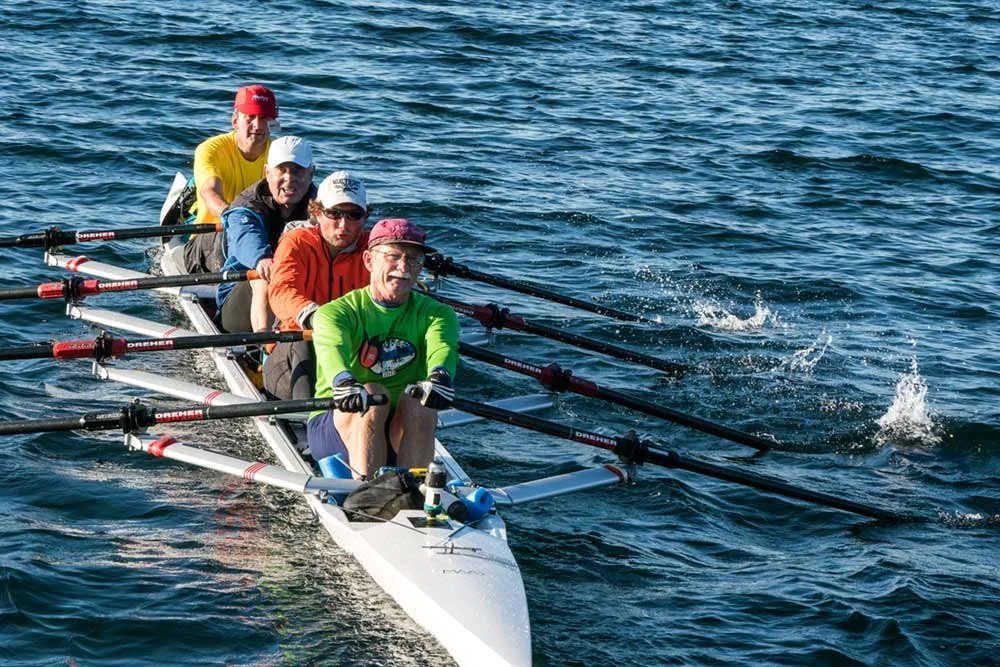
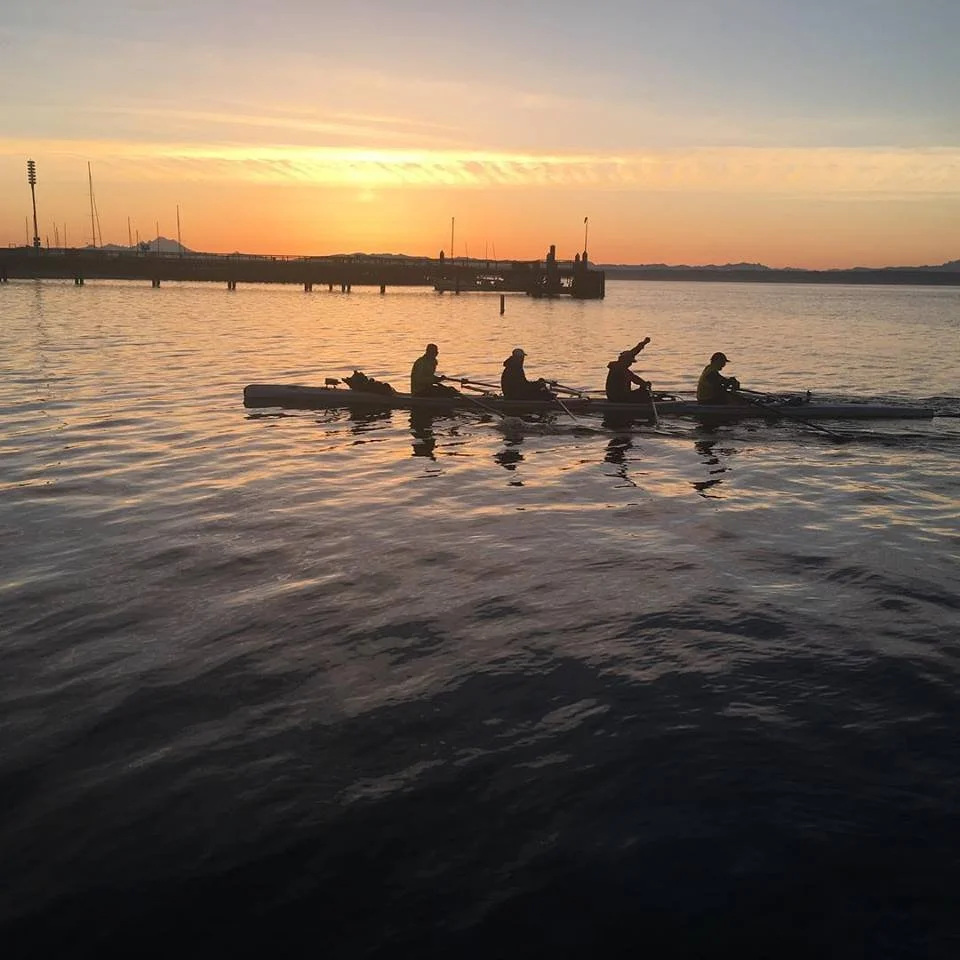
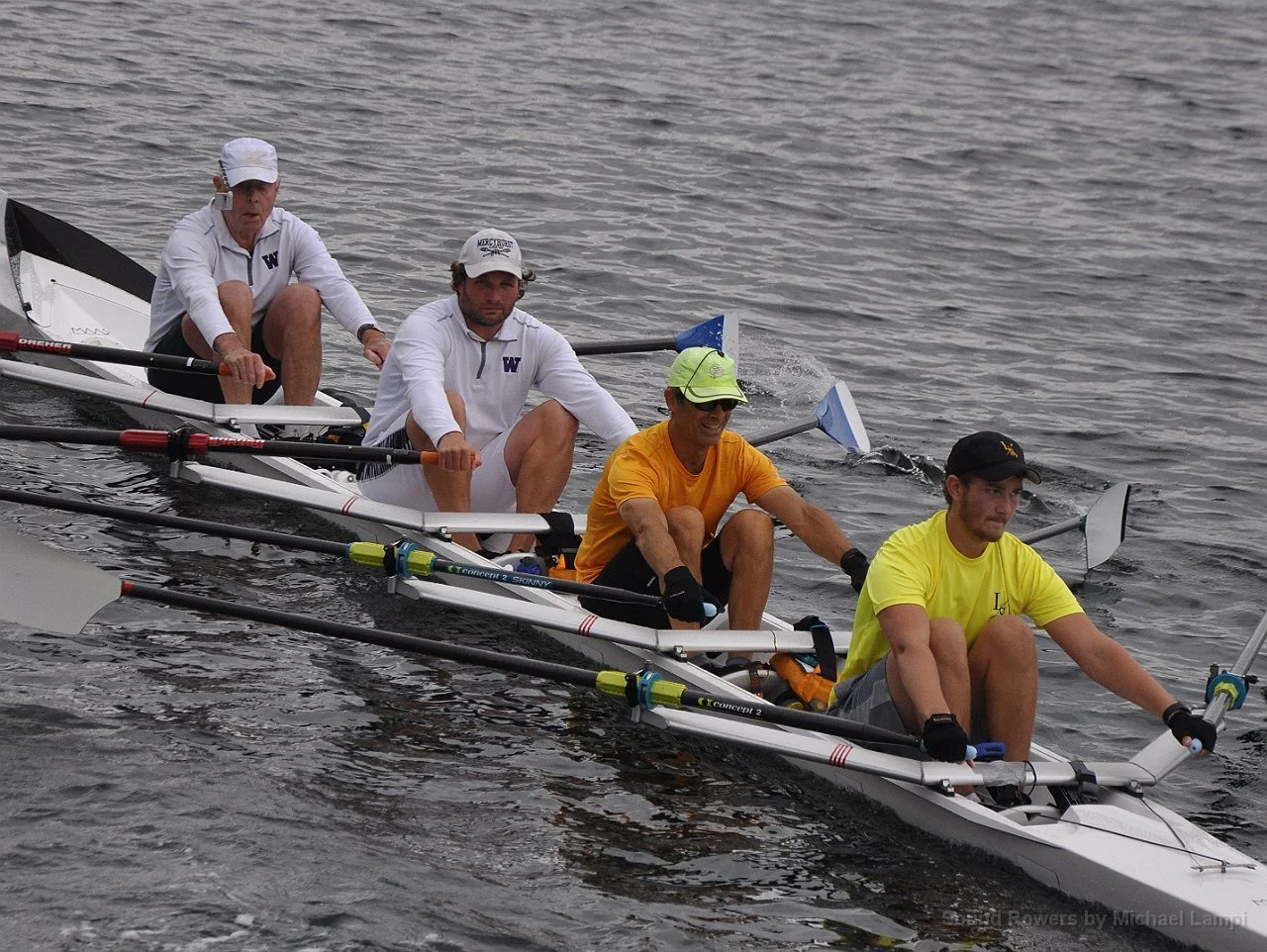
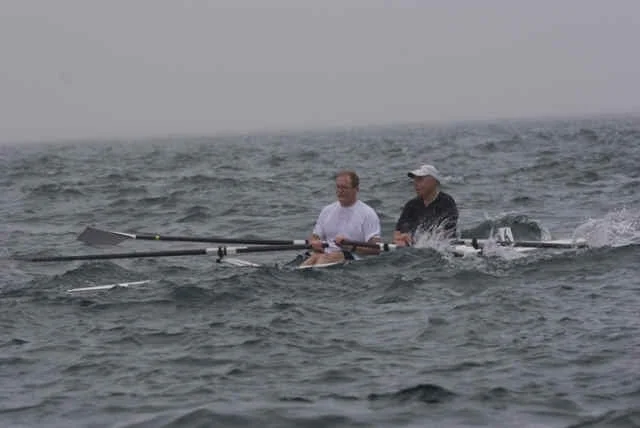
Today, at nearly 91 years old, Rainer still rows twice a week on Lake Washington with his son and with friends. Together they race open-water events throughout the Pacific Northwest, navigating tides, currents, weather, and distance. It's a passion he discovered after moving to Seattle more than fifty years ago - a city where rowing became woven into both his personal life and his extraordinary professional career.
Ironically, Rainer grew up in Essen, Germany, a city known for its rowing culture and international regattas. Yet he never rowed there.
"I only had a bicycle," he recalls. "It would have taken me an hour to get to the rowing clubs."
Instead, he spent his youth climbing mountains, skiing, hiking, and exploring the outdoors. That love of movement stayed with him throughout his life.
After earning a medical degree in Germany and completing postdoctoral work in Paris, Rainer came to the United States in 1965 on a Fulbright Fellowship. He intended to stay for three years.
He never left.
What brought him to Seattle was the opportunity to pursue research that directly connected laboratory discoveries to patient care. Alongside colleagues at the University of Washington, Rainer helped pioneer the field of bone marrow transplantation, work that would eventually save hundreds of thousands of lives around the world.
In the early years, success was far from guaranteed.
Many researchers doubted whether bone marrow transplantation could become a viable treatment. Funding was uncertain. Patients were critically ill. New ideas were often met with skepticism.
But persistence became a defining characteristic of Rainer's career.
First breakthroughs came in preclinical studies. The team successfully treated pet dogs with a blood cancer called Lymphoma by marrow transplantation, a tumor also seen in humans. Not only did this success make the pet owners happy, but it also provided a critical stepping stone for the clinic to treat human patients.
Another breakthrough came in the late 1990s, when his team developed a less toxic transplant approach for older leukemia patients who could not tolerate existing treatments. The idea challenged conventional thinking, but they moved forward anyway. The first patient went home after treatment and eventually recovered completely.
Today, that approach is widely accepted and has transformed care for countless patients worldwide.
The same persistence shows up in Rainer's rowing.
For sixteen years, he rowed every morning and every evening from his home on Lake Washington to the original Lake Washington Rowing Club boathouse on South Lake Union, a few steps away from the Fred Hutchinson Center. Some days, the weather cooperated. Some days it didn't.
"Sometimes I made the wrong choice of boat from the morning to the evening," he laughs.
Over the years, he has raced throughout the Pacific Northwest, setting records in events including the Shaw Island Race, Bainbridge Island Marathon, Commencement Bay Race, and the 115-mile Corvallis-to-Portland Rowing Marathon. He credits much of his success not to talent, but to a simple quality:
"Sheer persistence."
That mindset has served him well both on and off the water.
Rowing also provided something his scientific work often could not: balance.
Research can take decades before results become visible. Rowing offered immediate feedback, fresh air, physical challenge, and a community of people from all walks of life.
"You meet Olympians, especially among the surf skiers, scientists, construction carpenters, shipwrights, businesspeople," he says. "And the environment is so beautiful."
That sense of community has remained important throughout his life. In addition to competing and training, Rainer has been a longtime supporter of the George Pocock Rowing Foundation, helping create opportunities for future generations to discover the sport and the lessons it teaches.
Even after officially retiring from the Fred Hutchinson Cancer Center last year, Rainer remains deeply engaged. He continues to mentor young scientists, maintains research collaborations, and is helping launch studies focused on understanding how aging affects our cells and influences disease.
Much like rowing, science remains a lifelong pursuit.
Looking back, Rainer sees a clear connection between the two.
Both require patience. Both demand resilience. Both teach you how to navigate uncertainty. And both remind you that meaningful progress often happens one stroke - or one discovery - at a time.
For nearly six decades, Rainer has helped chart new paths in medicine while continuing to explore the waters of the Pacific Northwest.
At 91, he's still doing both.