A new ERG ED® Grant Cycle is now open—focused on the Pacific Northwest
The George Pocock Rowing Foundation (GPRF), in partnership with Concept2, is excited to announce a new chapter in the ERG ED® Grant Program—one that deepens our commitment to expanding access to rowing across the Pacific Northwest.
What is ERG ED®?
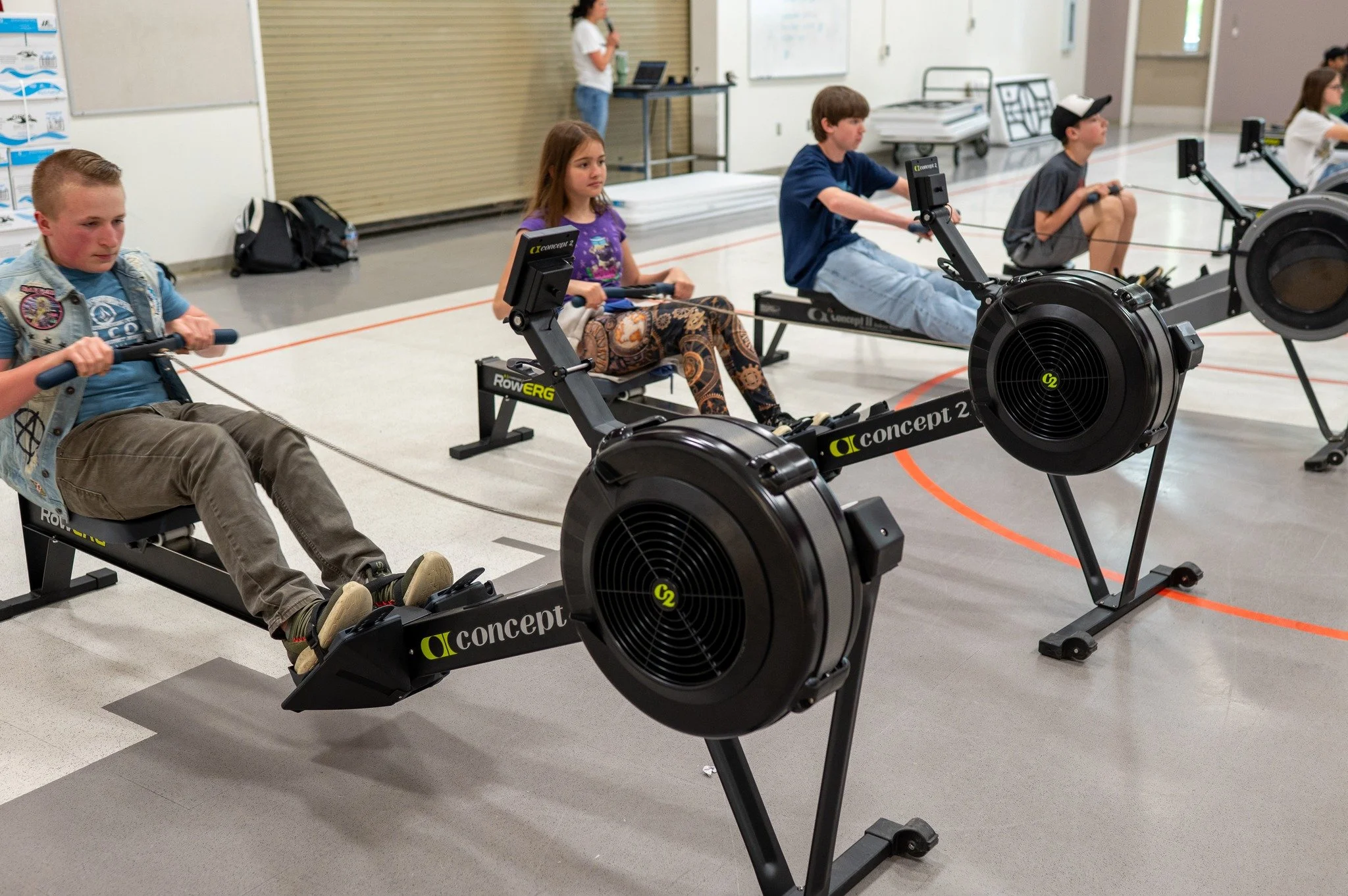
ERG ED® is a program of the George Pocock Rowing Foundation that brings rowing into the classroom through middle and high school physical education.
This 5-day unit introduces students to the fundamentals of rowing using indoor ergometers while building teamwork, goal-setting, and confidence. Since launching in 2010, ERG ED® has grown into a national program reaching more than 55,000 students annually.
But more than that, ERG ED® serves as a gateway to the sport—helping young people discover rowing and connect to opportunities beyond the classroom.

What is the ERG ED® Grant?
Through the ERG ED® Grant, selected sites receive:
Up to 20 Concept2 RowErgs
The ERG ED® curriculum
Teacher training
Ongoing support from the GPRF
Grants are awarded to GPRF Partner Sites—collaborations between schools or districts and local rowing organizations—designed to create sustainable pathways from the gymnasium to on-water rowing.
A look at recent impact
Following a competitive national application process last year, the GPRF and Concept2 selected the New Bedford Rowing Center, in partnership with the New Bedford Public School District, as the 2025 ERG ED® expansion site.
The grant includes 20 Concept2 RowErgs, the ERG ED® curriculum, teacher training, and ongoing support to establish long-term pathways from the classroom to the water.
“The New Bedford Rowing Center is honored to be the 2025 ERG ED® grant recipient,” said Executive Director Jordan Seim. “More kids now have a safe and fun way to learn from our coaches and volunteers. With every new rower, we get closer to transforming New Bedford’s relationship with its historic waterways.”
Concept2 echoed that enthusiasm:
“Concept2 is thrilled to partner with the Pocock Foundation’s ERG ED® program again in 2025,” said Kate Smith of Concept2. “Providing RowErgs will have ripple effects on students’ physical and mental well-being for years to come.”
Stories like New Bedford—and others in Dallas and Seattle—demonstrate what’s possible when strong partnerships exist between schools and boathouses.
What’s new for this grant cycle?
From 2026–2028, the GPRF will focus on expanding and deepening ERG ED® in the Pacific Northwest, selecting two partner sites each year.
Both new and current ERG ED® sites are eligible to apply.
This marks a shift from the past decade of nationwide applications—allowing us to invest more deeply in regional communities and strengthen the pathway to the boathouse closer to home.
What are we looking for?
We prioritize sites that:
Serve communities facing barriers to accessing rowing
Demonstrate strong school and boathouse partnerships
Show a clear commitment to building a pathway to continued participation
Are prepared to invest time, planning, and resources into long-term success
We also encourage collaboration across districts and communities to expand reach.
Is ERG ED® a fit for your community?
If your goals include:
Building stronger connections with local schools
Increasing participation in youth rowing
Expanding access to the sport
ERG ED® may be a powerful next step.
Not ready yet?
That’s okay.
Many of today’s strongest ERG ED® sites were not selected the first time they applied. We are committed to supporting communities over time—helping build the partnerships and readiness needed for future success.
What’s the timeline?
Applications are open now
Deadline to apply is April 30, 2026
We are hosting a Lunch & Learn (Zoom) on April 2 at 9:00 AM for more information
Erg delivery begins after August 1, 2026.
What can you do next?
Explore the ERG ED® webpage and curriculum
Connect with educators and school leaders
Learn from existing ERG ED® sites
Attend the Lunch & Learn or schedule a conversation
And most importantly—apply
Because when more young people are introduced to rowing, more doors open, and more futures are shaped by the power of a team.