2026 Spring Progress Report
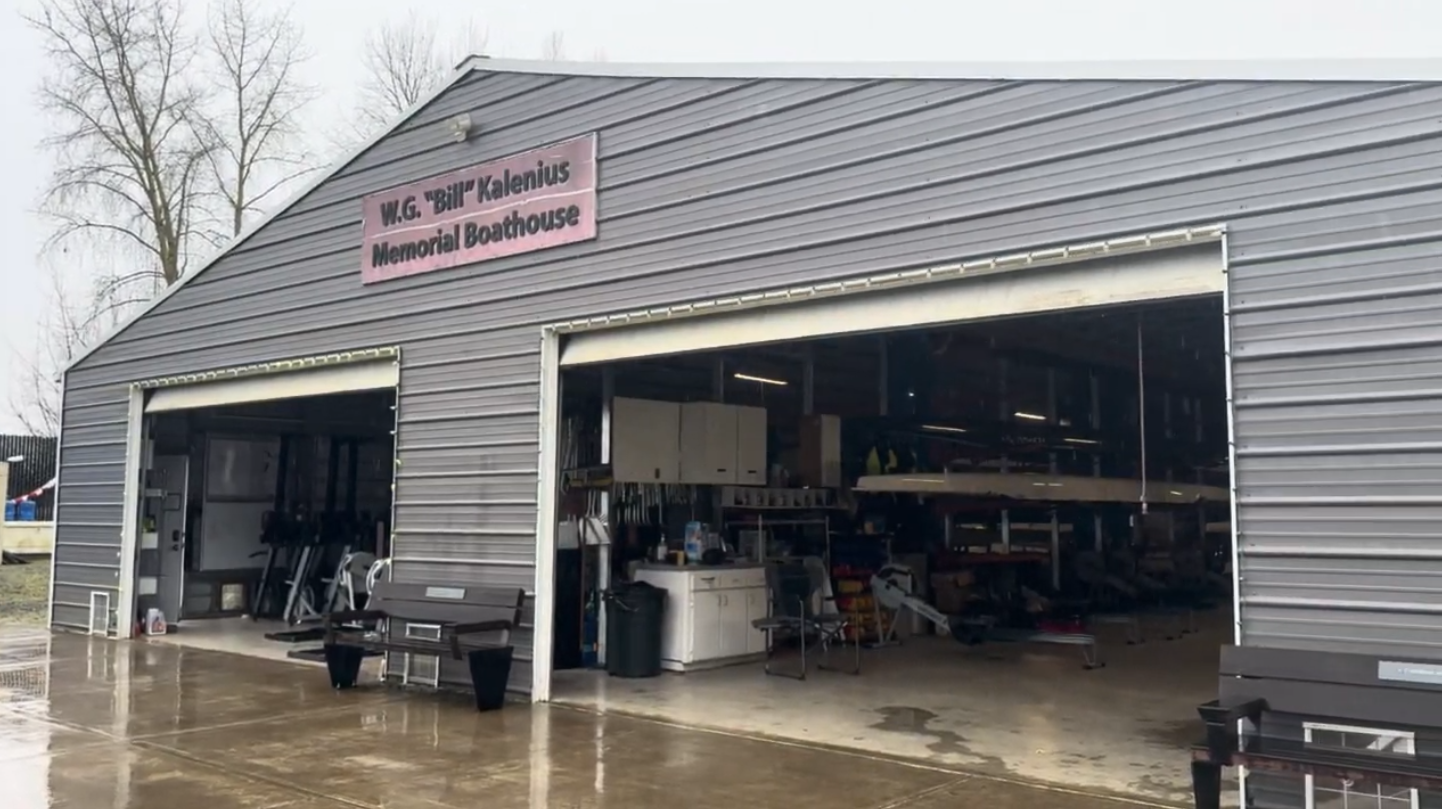
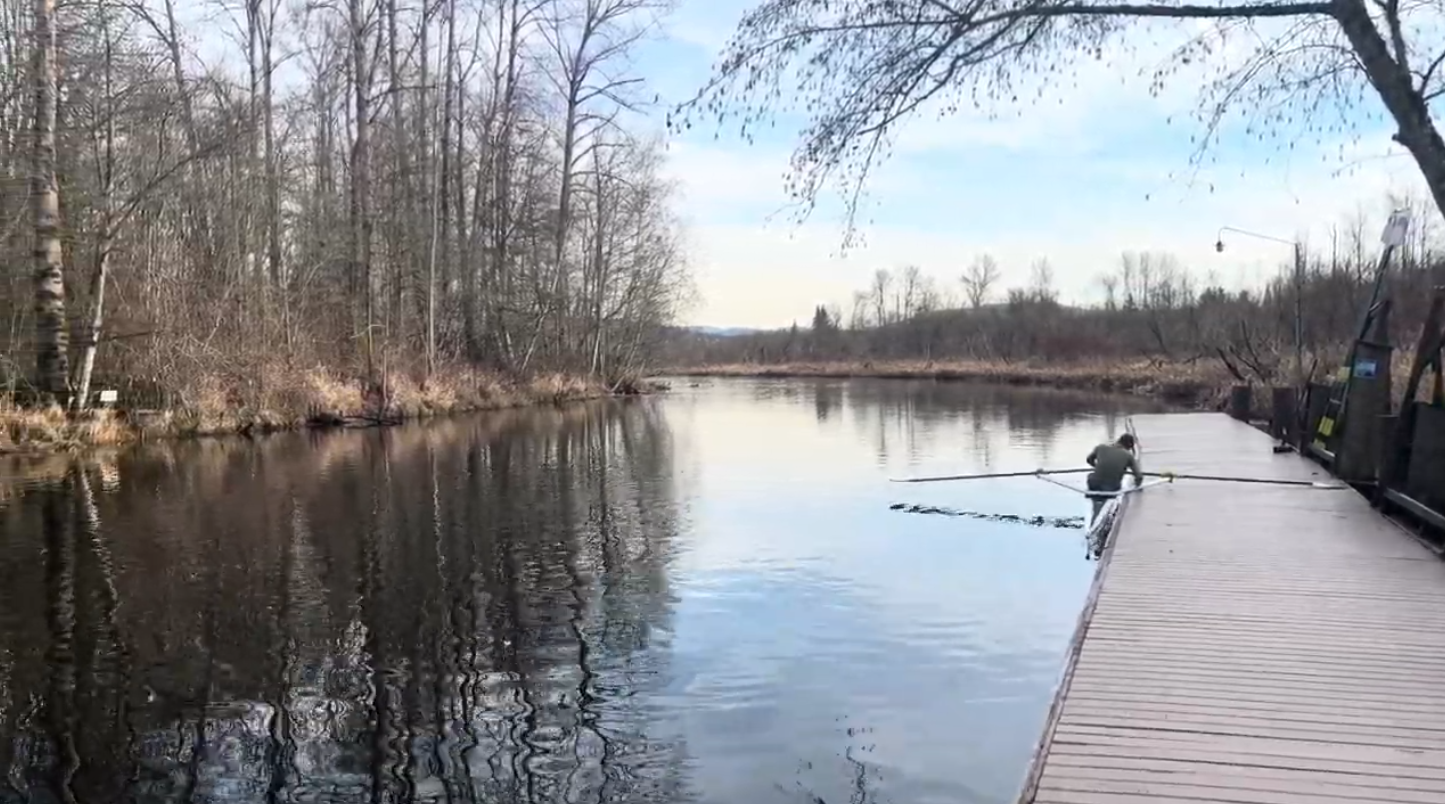
This winter, our team spent time on the road visiting partner boathouses, meeting with coaches and leaders, and listening closely to what programs across the Pacific Northwest are navigating right now.
From Everett to Eugene, the Olympic Peninsula to Lake Oswego, what we saw was a powerful reminder: Rowing in the Pacific Northwest is strong. But access remains inconsistent.
We also brought our community together through three mission-driven events in the first quarter of the year, helping ensure more young people can find, start, and stay in rowing this year.
Regional Engagement
We visited 17 boathouses, and at every stop, we saw the same thing: a deep, shared commitment to young people.
Clubs are building scholarship programs and setting aside reserves to expand access. Coaches are doing far more than putting in long hours - they’re visiting schools, introducing rowing in PE classes, hosting learn-to-row days, and finding creative ways to bring new athletes through the door. And alongside that commitment, we heard the challenges - real and persistent:
Limited access to facilities and water time
Aging infrastructure and equipment
Barriers to recruiting and retaining coaches
Financial constraints that limit who can participate
Behind it all, though, communities are showing up - volunteering, fundraising, and rallying around something bigger than themselves.
Community & Access
Across the region, rowing persists, and access is always at the forefront.
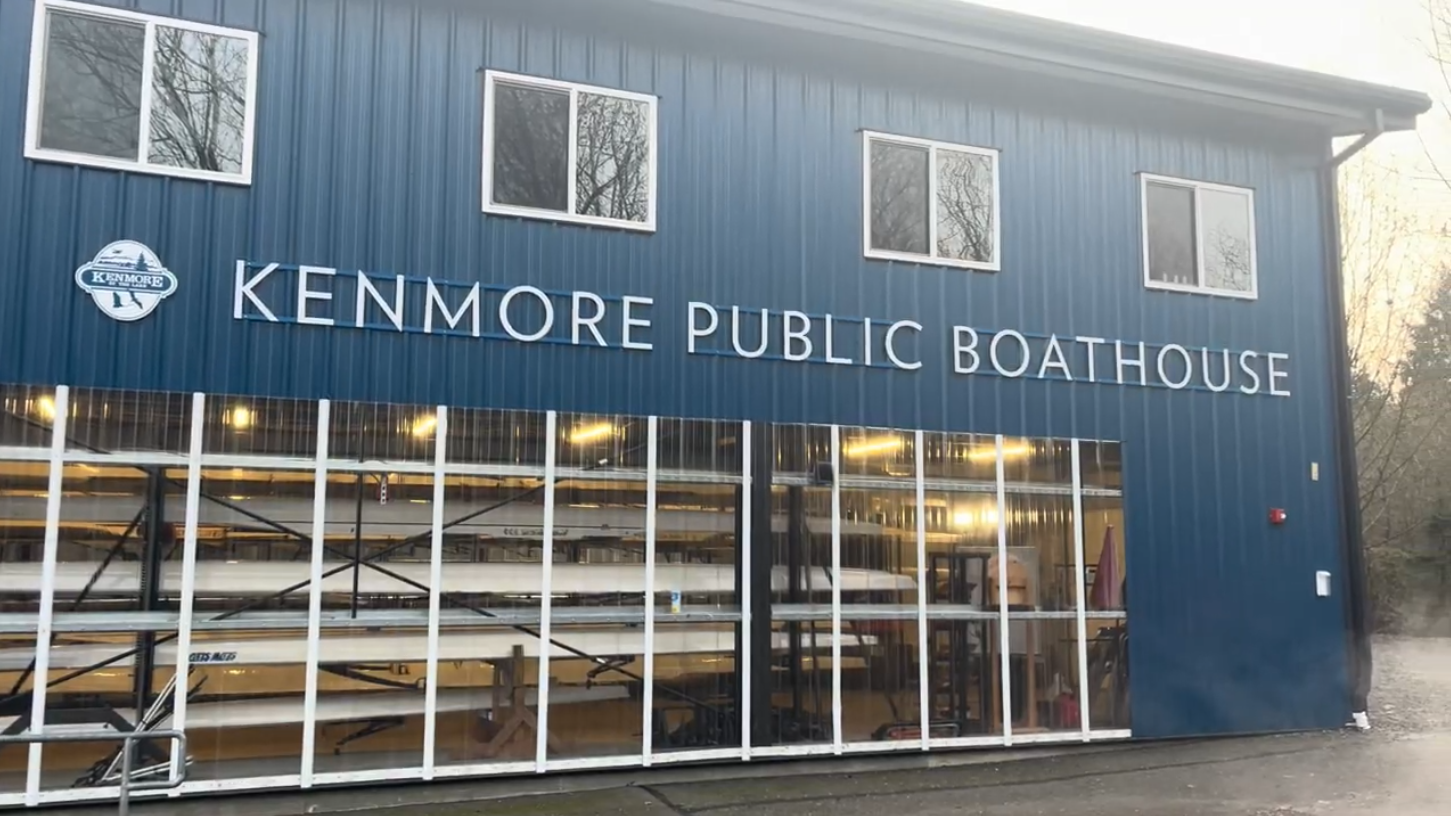
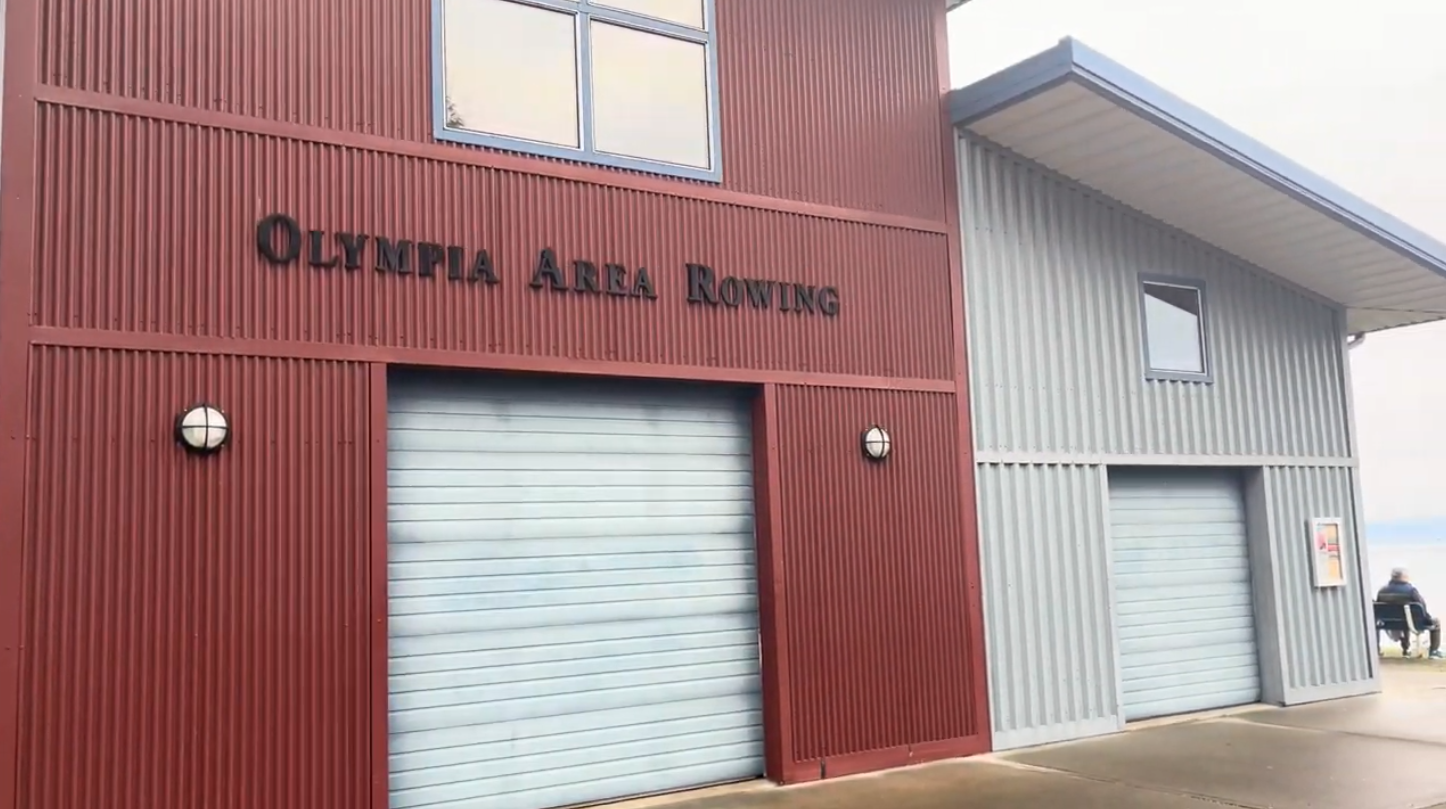
In Duwamish, boats are stored in shipping containers. On the Olympic Peninsula, one coach is rebuilding an entire program. In Kenmore, teams navigate shared water and shifting school support. And in other communities, strong systems are creating real momentum.
In Tacoma, that momentum led to new grant funding for a launch, driven by community advocacy and belief in the program. At Mercer Island, leaders are planning for growth while navigating uncertainty around long-term access to facilities.
These moments reflect a shared reality: progress is happening, but stability isn’t guaranteed. Access doesn’t look the same everywhere, but the need for it does.
One way we’re expanding that access at the George Pocock Rowing Foundation is through ERG ED®. This spring, we launched a new grant cycle to bring rowing into more schools across the Pacific Northwest, creating entry points where on-the-water access doesn’t yet exist.
We’re already seeing the impact. In Tacoma, a student introduced to rowing through P.E. is now rowing in college, proof that early exposure can change trajectories.
Because for many young people, the first stroke doesn’t happen on the water. It starts in a classroom.
Program Momentum
Our core programs continue to grow. Camp Lucy is preparing for another summer of first experiences on the water, and athletes across our region are continuing their journeys through our Regional Financial Aid program. This spring, 79 athletes are currently receiving scholarships across 12 boathouses. This summer, 60 girls will discover rowing through Camp Lucy (with alumnae now returning as coaches and counselors), and during the school year, more than 55,000 students will participate in indoor rowing through ERG ED®, including 35,000 across the Pacific Northwest.
Event and Fundraising Highlights
Our first-quarter fundraising events were successful beyond the numbers, bringing together almost 1,000 community members and reminding us how much we care about this sport and the opportunity it provides for young people.
26 Point LU (Feb 21): Our team relay indoor rowing marathon raised over $30,000 for Camp Lucy with 200+ participants. See the photoshere.
PYR Power Hour (Mar 14): Athletes, parents, and alumni raised over $50,000 for scholarships through a team indoor rowing race and community celebration, including two new boat christenings. See the photoshere.
Row to the Future Breakfast (Mar 17): With 23 clubs represented, this year’s breakfast raised over $550,000 to expand access to rowing across our region. Photos of the event can be seen here.
Partnerships and the Role We Play
Across the region, one thing was clear: partnerships matter.
Whether through scholarships, program support, or simply showing up to listen, our role is to help strengthen the broader ecosystem so that more young people can find their way into the sport of rowing.
In some communities, that means providing direct financial support. In others, it means sharing knowledge, building connections, or helping programs plan for what’s next. We’re also working alongside partners like College Club to build sustainable financial aid models - sharing tools, frameworks, and lessons learned to expand access across different types of programs.
Why This Work Matters
This work is ongoing. Because for every athlete currently on the water, there are many more who haven’t had the chance yet. And across this region, there are clubs ready to grow, if given the support to do so. Rowing has the power to change lives, but only if young people can access it.
What we saw, again and again, is this: When we invest in access - at every level of the system - we expand what’s possible for the future of this sport.
Because every kid deserves a team.
Be Part of What Comes Next
It takes a community to expand access to rowing. If you’re looking for a way to get involved, volunteering is one of the most powerful ways to make a difference. And if you’re able, your support helps remove barriers for the next young person waiting for their chance.